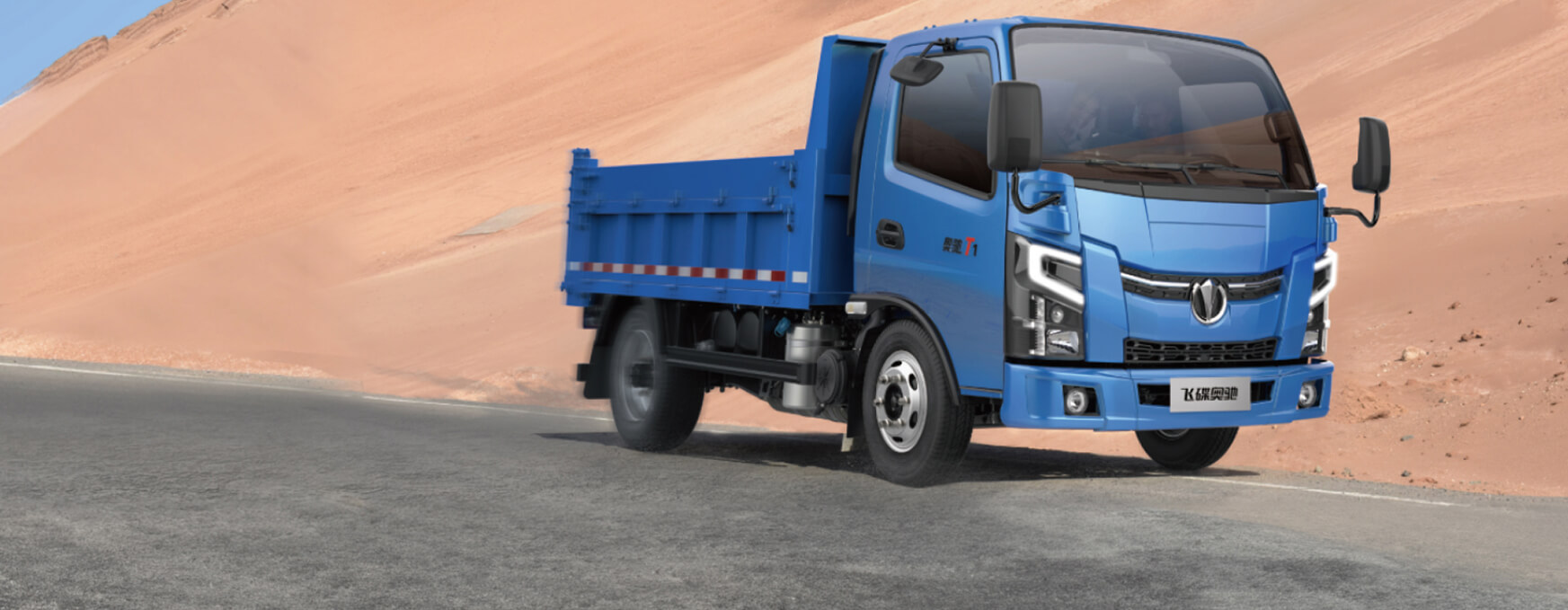
First FEIDI fleet crosses the Himalayas
Three AOCHI 10T units completed a loaded Kathmandu–Pokhara run — the longest high-altitude commercial EV route documented in Nepal to date.
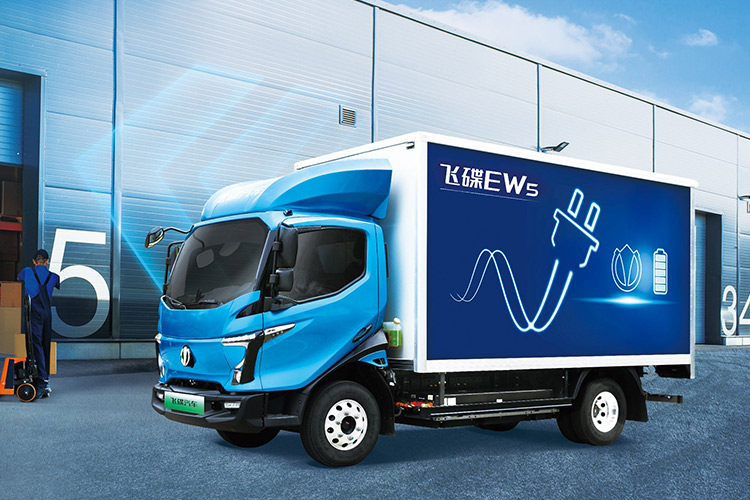
When Kathmandu-based logistics operator Himalaya Freight agreed to run three AOCHI 10T units on their busiest intercity lane, the question was not whether electric trucks could work in the valley — it was whether they could handle Nepal’s steepest commercial grades with cargo on board.
The convoy left FEIDI Nepal’s Bagdol service centre at 05:30 with an average payload of 8.2 tonnes per unit. Drivers followed their standard diesel schedule: one stop in Mugling, arrival in Pokhara by midday. All three trucks completed the round trip within the planned window.
Route conditions and performance
The Kathmandu–Pokhara corridor climbs through multiple sustained gradients above 6%, with ambient temperatures ranging from 4°C at elevation to 22°C in the valley. Regenerative braking on the descent recovered an average of 14% state-of-charge across the fleet.
We did not change our loading plan or delivery windows. The trucks simply did the job — quieter, with no fuel stops, and with torque available from the first metre of climb.
— Rajan Thapa, Fleet Manager, Himalaya Freight
Key metrics from the run
- Total distance (one way): 200 km
- Average energy consumption: 1.42 kWh/km per loaded unit
- State of charge on arrival in Pokhara: 31–38%
- Charging time at destination (DC fast): 52 min to 80%
Operator tip
Pre-conditioning the battery pack while plugged in at altitude reduces cold-start efficiency loss. Himalaya Freight now schedules a 15-minute plug-in before departure on winter mornings.
Diesel vs electric: cost on this lane
Using November 2025 diesel pricing and FEIDI’s measured energy use, the operator estimated the following per-truck savings on a weekly two-round-trip schedule:
| Cost item | Diesel (est.) | Electric (actual) |
|---|---|---|
| Fuel / energy | NPR 18,400 | NPR 4,120 |
| Maintenance | NPR 2,800 | NPR 900 |
| Weekly total | NPR 21,200 | NPR 5,020 |
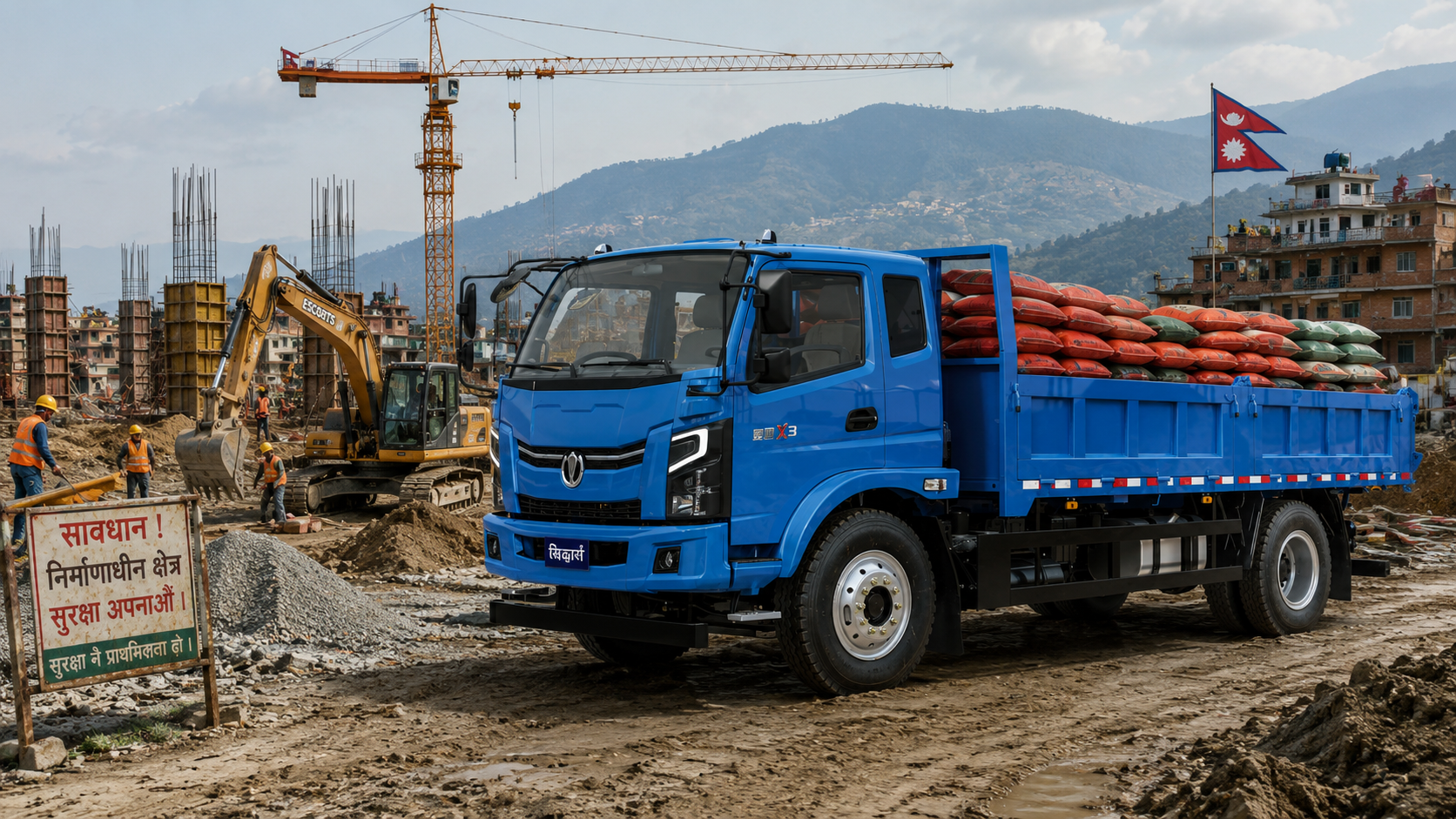
Charging infrastructure along the corridor
Himalaya Freight used two charging points: FEIDI Nepal’s Bagdol depot (overnight AC) and a partner DC station in Pokhara. The fleet management system logged each session via the standard fleet.chargeSession() API — a pattern most operators will mirror when integrating telematics:
{
  "vehicleId": "AOCHI-10T-0042",
  "location": "Pokhara DC Hub",
  "startSoc": 34,
  "endSoc": 80,
  "durationMin": 52,
  "energyKwh": 118.4
}
FEIDI Nepal is working with municipal partners to add two additional DC points between Naubise and Mugling by Q2 2026. Until then, operators on this lane should plan a single DC top-up in Pokhara before the return leg.
Range anxiety disappears when the route is measured in real kilometres, not assumptions.
Field Report SeriesWhat comes next
- Expand the pilot to five units on the same lane through winter.
- Publish monthly telematics summaries for participating operators.
- Open a second field-report route: Birgunj–Hetauda industrial corridor.
Interested in running a similar pilot on your routes? Contact FEIDI Nepal to schedule a fleet assessment, or explore the AOCHI 10T specifications for payload and range details.